

Type 1 Diabetes Nutrition Support
Living with type 1 diabetes means making dozens of food and insulin decisions every day. At LiveinspiRD, we help people with type 1 diabetes build the skills, confidence, and flexibility to manage their blood sugars while still enjoying food and living fully. Our care is led by a registered dietitian and Certified Diabetes Care and Education Specialist (CDCES).
Understanding Type 1 Diabetes
Type 1 diabetes is an autoimmune condition. For reasons researchers still don’t fully understand, the immune system mistakenly attacks and destroys the insulin-producing beta cells in the pancreas. Without those cells, the body can’t make enough insulin. Insulin is the hormone that moves glucose (sugar) from food out of the bloodstream and into your cells, where it’s used for energy.
When insulin is missing, glucose builds up in the blood instead of fueling the body. Over time, high blood sugar can affect the heart, kidneys, eyes, and nerves. That’s why consistent care and support matter so much.
Type 1 diabetes is most often diagnosed in childhood or adolescence, but it can develop at any age, including adulthood. It is not caused by diet, weight, or lifestyle. There’s currently no cure and no way to prevent it, though screening and newer treatments can delay its onset in some people at high risk. With the right tools, education, and support, people with type 1 diabetes live full, healthy lives.

What Causes Type 1 Diabetes?
There isn’t a single clear answer. Genetics play a role, and having a close relative with type 1 diabetes raises risk. Certain viral infections may also trigger the immune response that damages beta cells. Still, many people diagnosed with type 1 diabetes have no family history, and most people exposed to the same triggers never develop it. It’s a combination of factors researchers are still working to understand, not something anyone did or didn’t do.
Recognizing the Symptoms
Symptoms can develop quickly, sometimes over just a few weeks. Common signs include:
Excessive thirst and frequent urination
Intense hunger, even after eating
Unexplained weight loss
Fatigue or unusual tiredness
Blurry vision
Mood changes or irritability
In children, bedwetting after previously being dry at night
If you notice these symptoms, contact a healthcare provider right away.
Seek emergency care if any of these symptoms come with nausea or vomiting, stomach pain, fruity-smelling breath, rapid or deep breathing, or confusion. These can be signs of diabetic ketoacidosis (DKA), a medical emergency.

Type 1 vs. Type 2 Diabetes
Both involve elevated blood sugar, but the underlying causes are very different.
Type 1 is autoimmune. The body stops producing insulin, so insulin therapy is always required. It isn’t linked to weight or lifestyle.
Type 2 typically involves insulin resistance, where the body still makes insulin but doesn’t use it effectively. It’s influenced by a mix of genetic and environmental factors and may be managed with nutrition, activity, medication, and sometimes insulin.
You may also hear about LADA (Latent Autoimmune Diabetes in Adults), sometimes called “type 1.5.” It’s a slower-progressing form of autoimmune diabetes that typically appears in adulthood. Because it develops gradually, it’s sometimes mistaken for type 2 diabetes before insulin becomes necessary.
Living With Type 1 Diabetes: What Treatment Looks Like
Insulin & Blood Sugar Monitoring
Because the body can no longer make its own insulin, people with type 1 diabetes take insulin every day to replace it. Options include:
Multiple daily injections with insulin pens or syringes
Insulin pumps
Automated insulin delivery systems, which pair a pump with a continuous glucose monitor to adjust insulin automatically
Blood sugar monitoring guides daily decisions through:
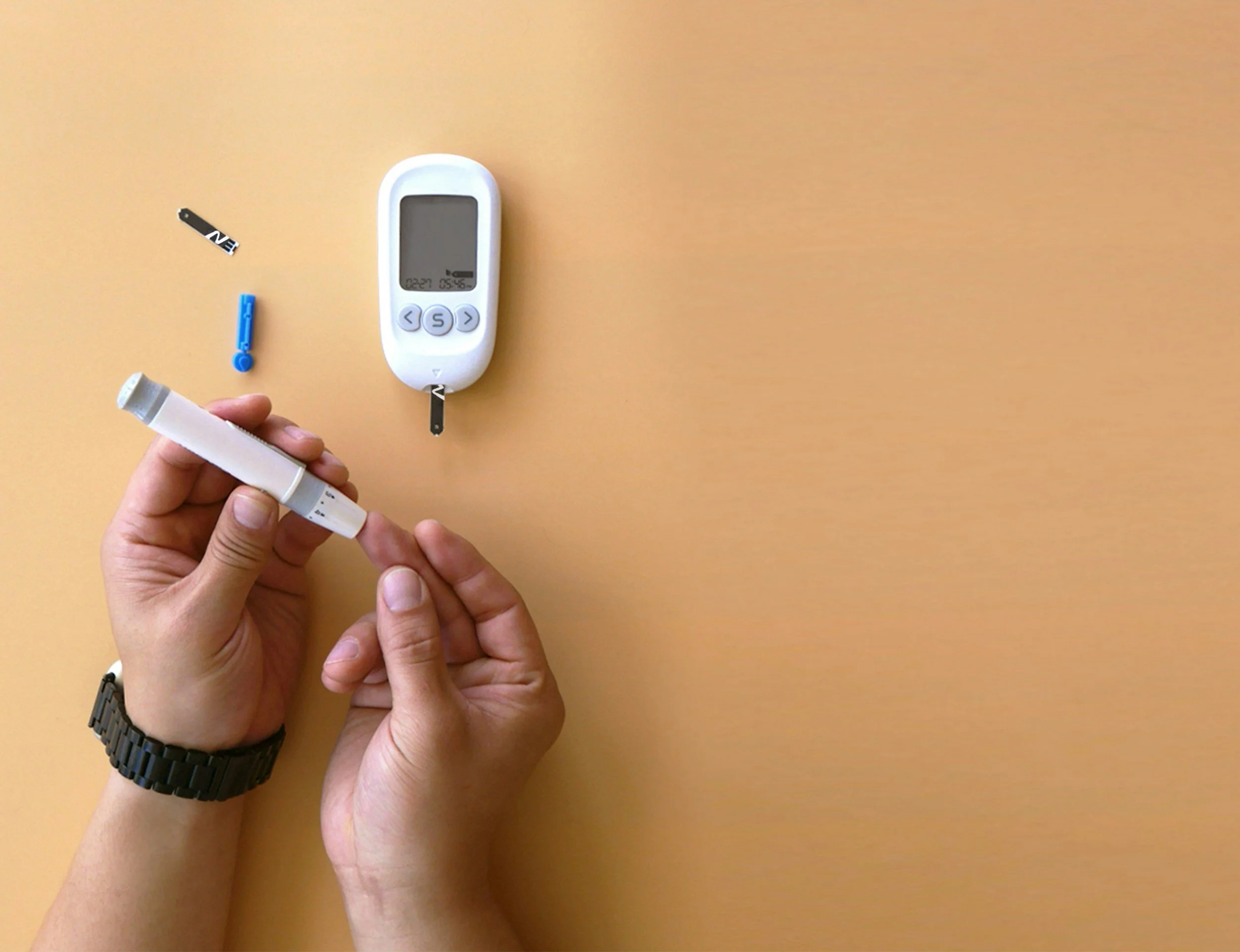
Fingerstick checks with a glucose meter
Continuous glucose monitors (CGMs) that show real-time trends
Adjusting insulin based on food, activity, stress, illness, and blood sugar patterns
Every person’s routine is different. What works well for one person may not work for another, which is why ongoing collaboration with your care team matters.
Nutrition That Supports You, Not a Restrictive Diet
There’s no single “diabetes diet,” and food doesn’t need to be a source of fear or guilt. A supportive approach to eating with type 1 diabetes includes:
Carbohydrate awareness, not carb elimination. Learning to estimate carbs helps you dose insulin accurately, so you can enjoy the foods you love.
Balanced meals. Combining carbohydrates with protein, fat, and fiber helps smooth out blood sugar swings. Higher-fat and higher-protein meals, like pizza, can raise blood sugar later than expected, and that’s something we can plan for together.
Flexibility over perfection. A higher-than-expected reading after a meal isn’t a failure. It’s information that helps guide your next decision.
Reconnecting with hunger and fullness cues. Alongside the technical skills of carb counting, this helps eating feel sustainable and enjoyable long term.
Rigid dieting can make diabetes management harder and increase the risk of disordered eating, which is unfortunately common among people with type 1 diabetes.


Online Nutrition Counseling for Type 1 Diabetes
Knowing the basics is one thing. Applying them to your meals, your schedule, and your blood sugars every day is another. At LiveinspiRD, we offer online nutrition counseling for type 1 diabetes to help you put it all into practice. Together, we’ll:
Build confidence with carb counting and matching food to your insulin
Make sense of your CGM trends and blood sugar patterns
Create balanced meals and snacks that fit your lifestyle and preferences
Plan for exercise, eating out, travel, holidays, and sick days
We start by building structure with tools like the plate method and practical nutrition education. As those skills become second nature, we gradually shift toward a more flexible, intuitive way of eating that fits your real life.
Whether you’re newly diagnosed or have been living with type 1 diabetes for years, we’re here to support you every step of the way.
PS. Weight isn’t the only measure of health. We focus on what matters most to you, whether that’s steadier blood sugars, more energy, or a more peaceful relationship with food.
This page is for educational purposes only and is not a substitute for individualized medical advice. Please talk with your healthcare provider about your specific needs.