

Type 2 Diabetes Nutrition Support
A type 2 diabetes diagnosis can bring a lot of questions about what to eat, what your numbers mean, and where to start. At LiveinspiRD, we help people with type 2 diabetes build practical, sustainable habits that improve blood sugars and support long-term heart and kidney health, without giving up the foods they love. Our care is led by a registered dietitian and Certified Diabetes Care and Education Specialist (CDCES).
What Is Type 2 Diabetes?
Type 2 diabetes is the most common form of diabetes. It develops when the body doesn't respond well to insulin (called insulin resistance) and the pancreas can't make enough extra insulin to keep up. Insulin is the hormone that moves glucose (sugar) from food out of the bloodstream and into your cells for energy. When it isn't working effectively, glucose builds up in the blood.
Type 2 diabetes usually develops gradually, often over several years, and is frequently preceded by prediabetes. Over time, high blood sugar can affect the heart, kidneys, eyes, and nerves. That's why care for type 2 diabetes focuses on the whole picture, including blood pressure, cholesterol, and kidney health, not just blood sugar.
The good news is that type 2 diabetes is very manageable. With the right support, many people improve their numbers, feel more energized, and lower their risk of complications.

What Causes Type 2 Diabetes?
Type 2 diabetes develops from a combination of factors, many of which are outside anyone's control. It is not a personal failure. Factors that can raise risk include:
Family history of type 2 diabetes
Age, especially over 35
A history of prediabetes or gestational diabetes
Polyendocrine metabolic ovarian syndrome (PMOS, formerly known as PCOS)
Higher body weight, particularly around the abdomen
Low physical activity
Chronic stress and poor sleep
Certain medications, such as long-term steroid use
Being of Black, Hispanic/Latino, American Indian, Alaska Native, Asian American, or Pacific Islander descent
Recognizing the Symptoms
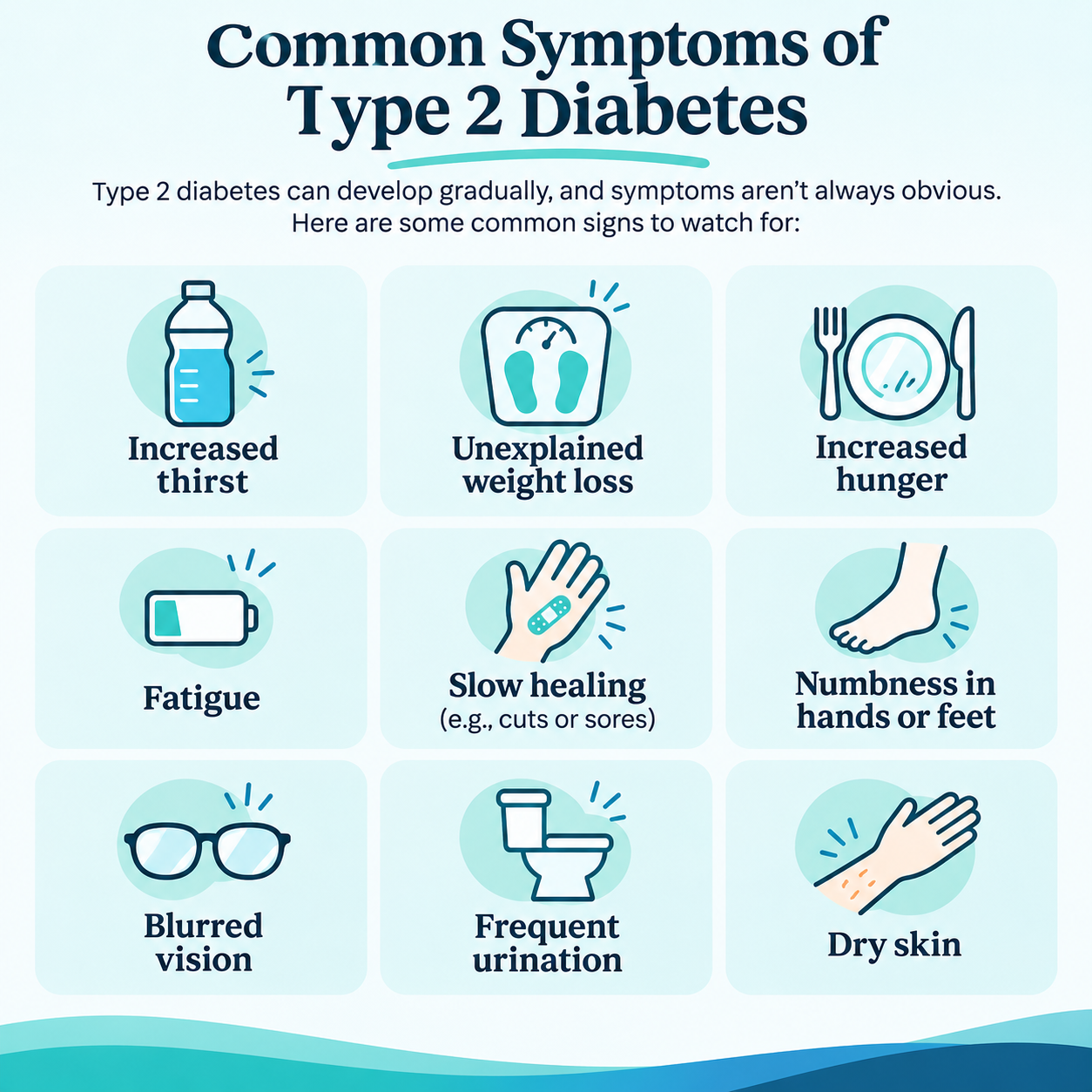
Type 2 diabetes often develops slowly, and many people have no noticeable symptoms at first. When symptoms do appear, they may include:
Increased thirst and frequent urination
Fatigue or low energy
Blurry vision
Cuts or sores that heal slowly
Frequent infections
Tingling or numbness in the hands or feet
Increased hunger
Because symptoms can be subtle, routine screening is important, especially if you have risk factors.
How Type 2 Diabetes Is Diagnosed
Type 2 diabetes is diagnosed with blood tests, including:
A1C: 6.5% or higher (reflects your average blood sugar over about 3 months)
Fasting blood glucose: 126 mg/dL or higher
Oral glucose tolerance test: 200 mg/dL or higher two hours after a glucose drink
An A1C between 5.7% and 6.4% indicates prediabetes, an important window when changes can make a big difference.
Type 2 vs. Type 1 Diabetes
Both involve elevated blood sugar, but the underlying causes are different.
Type 2 typically involves insulin resistance. The body still makes insulin but doesn't use it effectively. It's influenced by a mix of genetic and environmental factors and may be managed with nutrition, activity, medication, and sometimes insulin.
Type 1 is autoimmune. The immune system destroys the cells that make insulin, so insulin therapy is always required. It isn't linked to weight or lifestyle.
Read more about Type 1 Diabetes.
What Treatment Looks Like
Lifestyle Foundations
Nutrition, physical activity, sleep, and stress management are the foundation of type 2 diabetes care. Small, consistent changes in these areas can meaningfully improve blood sugars, blood pressure, and cholesterol.
Movement helps your muscles use glucose and improves how your body responds to insulin. A mix of regular activity like walking, strength training, and short walks after meals can make a real difference.
Sleep matters more than many people realize. Even a few nights of poor sleep can increase insulin resistance and cravings.
Stress hormones raise blood sugar, so building in rest and stress relief supports your numbers and your overall well-being.
Medications
Many people with type 2 diabetes also use medication, and that's not a sign of failure. Common options include:
Metformin, often the first medication prescribed
GLP-1 and GIP/GLP-1 medications, such as semaglutide and tirzepatide, which help lower blood sugar and appetite
SGLT2 inhibitors, which help the body remove extra glucose and offer added heart and kidney protection
Insulin, when other treatments aren't enough to reach blood sugar goals
Your healthcare provider will help determine what's right for you. Nutrition counseling works alongside your medications to help them work as well as possible.
Monitoring
Tracking helps guide decisions and show progress:
A1C checks, usually every 3 to 6 months
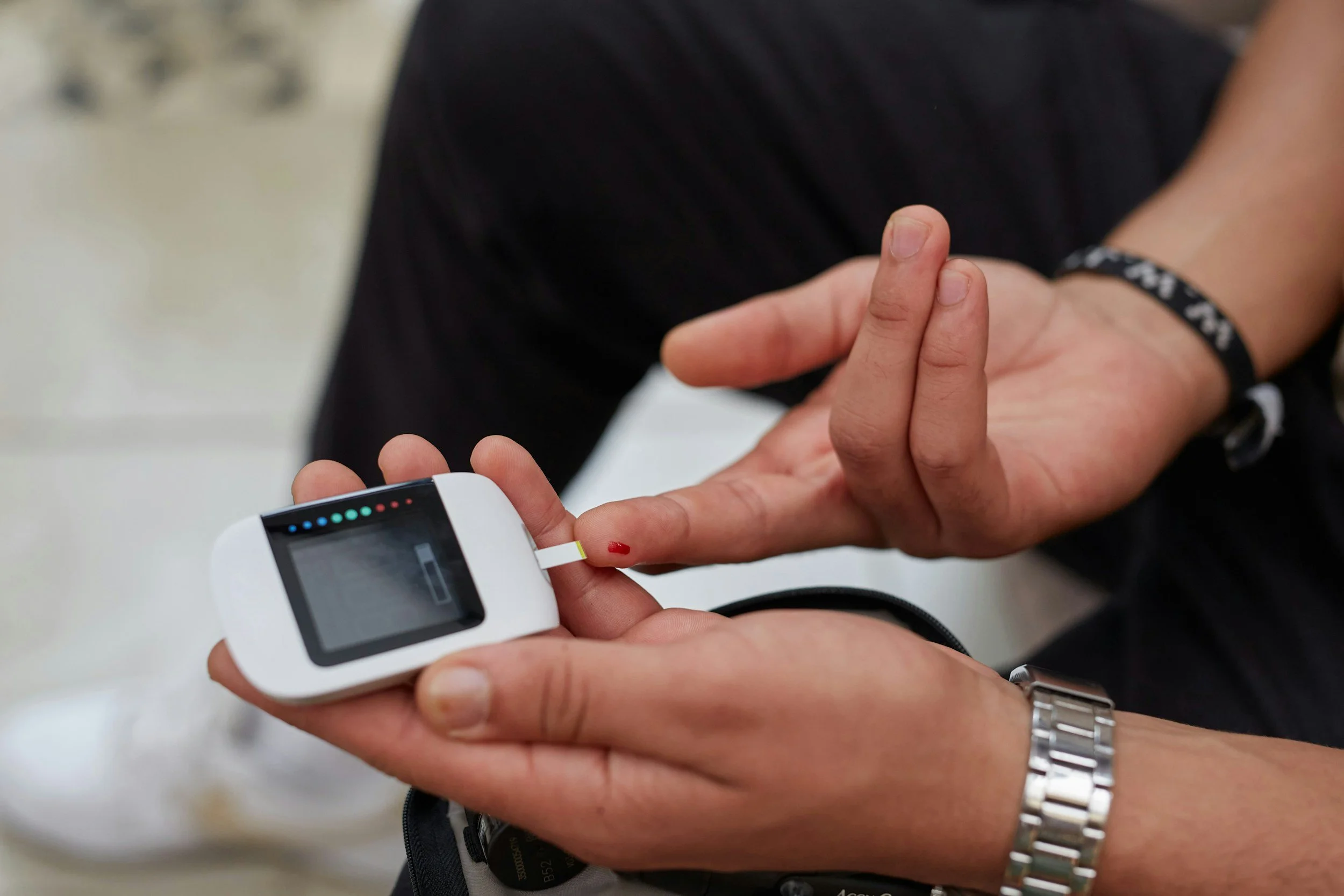
Blood sugar checks with a glucose meter or continuous glucose monitor (CGM)
Regular checks of blood pressure, cholesterol, and kidney function
Nutrition That Supports You, Not a Restrictive Diet
There's no single "diabetes diet," and you don't need to cut out entire food groups. A supportive approach to eating with type 2 diabetes includes:
The plate method. Filling half your plate with non-starchy vegetables, a quarter with protein, and a quarter with carbohydrate foods is a simple way to build balanced meals without counting everything.
Carbohydrate awareness, not carb elimination. Understanding which foods contain carbs and how much your body handles well helps you enjoy them with fewer blood sugar spikes.
Fiber, protein, and healthy fats. These help slow digestion, keep you full longer, and smooth out blood sugar swings.
Portion and energy awareness. Learning how much food your body needs supports steadier blood sugars and energy throughout the day.
Heart- and kidney-friendly choices. Paying attention to sodium, fats, and overall eating patterns supports the organs most affected by diabetes.
Flexibility over perfection. A higher reading after a meal isn't a failure. It's information that helps guide your next choice.
Over time, the goal is for these skills to become second nature, so eating feels less like following rules and more like taking care of yourself.
Online Nutrition Counseling for Type 2 Diabetes
Knowing the basics is one thing. Applying them to your meals, your schedule, and your blood sugars every day is another. At LiveinspiRD, we offer online nutrition counseling for type 2 diabetes to help you put it all into practice. Together, we'll:
Understand how carbohydrates, protein, fat, and fiber affect your blood sugar
Build balanced meals using the plate method
Make sense of your glucose readings, A1C, and other labs
Support heart and kidney health alongside blood sugar management
Get the most out of GLP-1 and other diabetes medications with the right nutrition
We start by building structure with tools like the plate method and practical nutrition education. As those skills become second nature, we gradually shift toward a more flexible, intuitive way of eating that fits your real life.
Whether you're newly diagnosed or looking to improve your numbers, we're here to support you every step of the way.
Weight isn't the only measure of health. We focus on what matters most to you, whether that's a better A1C, improved lab numbers, more energy, or a more peaceful relationship with food.
This page is for educational purposes only and is not a substitute for individualized medical advice. Please talk with your healthcare provider about your specific needs.
Written by Kasey Hageman, MS, RD, CDCES · Last reviewed November 2026